
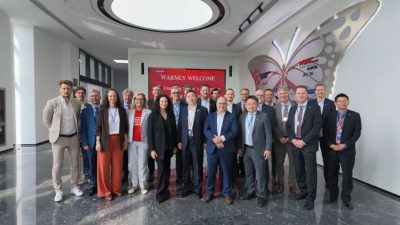
During the discussions, Dr. Zhang outlined the Group’s transformation from a traditional sewing equipment manufacturer into a global provider of intelligent equipment. Since launching its internationalisation strategy in the 2000s, the Group has acquired several German companies, including Dürkopp Adler, PFAFF Industrial and KSL, bringing together a wealth of industrial expertise and more than a century of manufacturing heritage. These acquisitions have helped build a global R&D and manufacturing network spanning Europe, Asia and North America.
Dr. Zhang highlighted the establishment of ShangGong Europe in Hamburg 22 years ago. The company was subsequently relocated to Bielefeld to facilitate management and, in 2018, absorbed Dürkopp Adler GmbH through a merger. These developments laid a solid foundation for deeper integration. Throughout its overseas acquisitions, the Group has retained core German teams, respected local technical expertise and established cross-cultural management mechanisms. This approach has enabled the acquired businesses to sustain profitability while contributing technological expertise to the wider Group.
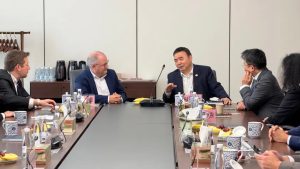
In its Sino-German operations, ShangGong Group has developed a collaborative model combining “German R&D, smart manufacturing in China, and global markets.” German teams focus on advanced technology development and the preservation of precision manufacturing expertise, while Chinese teams handle industrial implementation, cost optimisation and rapid market response. Regular technical exchanges, joint project teams and digital management platforms ensure close coordination between the two sides.
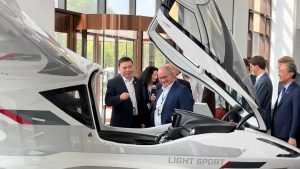
In smart manufacturing, the Group combines German Industry 4.0 principles with practical manufacturing applications in China. It has developed flexible automated sewing units and digital twin systems for sectors including automotive interiors, aerospace and new energy. These solutions enhance product value while offering replicable approaches to the intelligent transformation of traditional manufacturing.
The German delegation expressed keen interest in the Group’s experience in integrating engineering expertise and manufacturing resources across countries. Dr. Schwieger described ShangGong Group’s more than two decades of commitment to Germany as an exemplary case of industrial cooperation between the two countries, offering valuable lessons for traditional German manufacturers navigating the challenges of globalisation. Other delegates from government, business and academia also shared their perspectives. They emphasised that, amid the restructuring of global supply chains and accelerating technological change, Chinese and German manufacturers need to remain open to deeper collaboration. The Group’s international experience, they noted, demonstrates how complementary strengths can deliver mutual benefits.
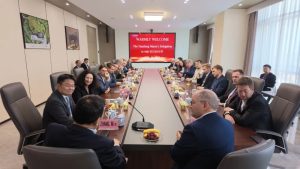
The visit allowed both sides to gain a better understanding of their respective challenges and opportunities through practical business experience. Lasting cooperation between Chinese and German manufacturers depends not only on complementary technologies, but also on deeper understanding and trust between people. The discussions underscored the importance of extending dialogue into day-to-day operations and teamwork. With trust as the foundation, the strengths of both sides can continue to support shared growth. As Shanghai and Hamburg mark four decades of sister-city ties, such practical exchanges offer a compelling example of the future potential of Sino-German manufacturing cooperation.
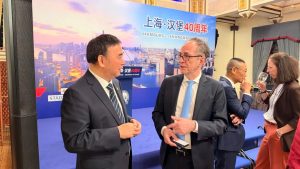
That evening, Dr. Zhang and other guests attended a commemorative exchange event marking the 40th anniversary of the Shanghai–Hamburg sister-city relationship. Hamburg’s First Mayor Peter Tschentscher, Shanghai Vice Mayor Lu Shan, and German Consul General in Shanghai Dr. Norbert Riedel attended and delivered remarks. Together with guests from across society, they celebrated four decades of friendship between the two cities, adding a warm and memorable occasion to the delegation’s visit to Shanghai.